We recently completed an informal artist/picture study of John James Audubon. As amateur naturalists, this was an artist study which really inspired us.
Here are some resources that we used:
Audubon: Painter of Birds in the Wild Frontier by Jennifer Armstrong

 This is a beautifully illustrated book which relates John James Audubon's adventures in the American frontier. This book really held the children's attention and I enjoyed reading it too!
The Boy Who Drew Birds: A Story of John James Audubon by Jacqueline Davies

 This book was another interesting read. It talked a bit about John James Audubon's life as a child and the method he used to discover for himself what exactly happened to birds in the winter. I found that this book really encouraged children to ask questions and look for their own answers.
Into the Woods: John James Audubon Lives His Dream by Robert Burleigh

 This book didn't make for as great of a read aloud as some of the others. However, I think it would make an excellent read aloud for older children. We did enjoy flipping through this book and reading some of the exerts of Audubon's own journal.
Audubon's Birds of America by John James Audubon

 Whenever possible, we like to try and reserve a large, over-sized book that shows work by the artist. Many of these works are available for viewing online. However, I personally like to look at art in a book rather than on the computer. Throughout the week we flipped through this book. I tried to show some birds that the kids knew and had them try to identify them. We looked at the red-winged black birds, the cardinal, the blue jay and some other common birds that the kids could identify.
Preschool Artist Study Activities on John James Audubon:
We like to check out these books from the library and then spend as much as 6-8 weeks just casually reading and looking at them as time permits and the kids are interested. (I try to keep the books out in full view so that the kids can naturally see them and pick them up. To see pictures of how I "skew" our artists study books you can go here.)
Read-Alouds:
We read the more biographical books about John James Audubon throughout the day as the kids were interested. Why do I add in some many biographical books about the artists? Well, for me personally, I find that I can retain a lot more to an artist when I "know" his or her personal story. So I like to read books which describe the life of the artist to the children so they can look at his art in the context of the events of his life. It gives us a better appreciation for the art.
For example, we all know that Audubon loved birds and nature. But do we know why? He was a very popular child. He was known as the best fencer, the fastest runner, a handsome boy...so why did he like to escape into the woods so often to be with birds and animals? Well, we found out that as a young child, John James's father often took him on nature walks pointing out the beauty of the birds and their various habits. It was a very special time for him. Well, in 1803, his father obtained a false passport so that Audubon could go to the United States to avoid going to war. On his journey over, he became very ill with yellow fever and had to be nursed back to health. In the United States, we have to imagine that life was very lonely for him without his family and friends. So we have to imagine that escaping into nature was a way of coping for him in the United States.
The other thing we learned is that as a young man, Audubon used to cover his room with his artwork in an almost obsessive manner. And then, at the end of the year, he would set all of his artwork on fire because he didn't think it was good enough to keep. He hoped that some day he would have art work good enough to keep. If you look at John James Audubon's work, it isn't famous for its beauty per se. I personally don't look at any of his work and say, "That is the most beautiful painting of a cardinal I have ever seen." Because surely you can find other, "better" paintings of birds. But what makes Audubon's work special is the wonderful attention he put in to make the paintings amazingly technically accurate. He really conveys not only the shape and form of the birds, but their habits, coloring, and environment. The other thing that makes his work special is their completeness and the sheer massive body of his work. He literally risked his life to travel across America to watch and paint the American birds in their natural habitat. So even though he wasn't perhaps as naturally gifted as other artists, he worked hard for his art. We could relate to this in our own nature journals.
(To see our schedule and more about how we fit picture study into our day, you can go here.)
Activities:
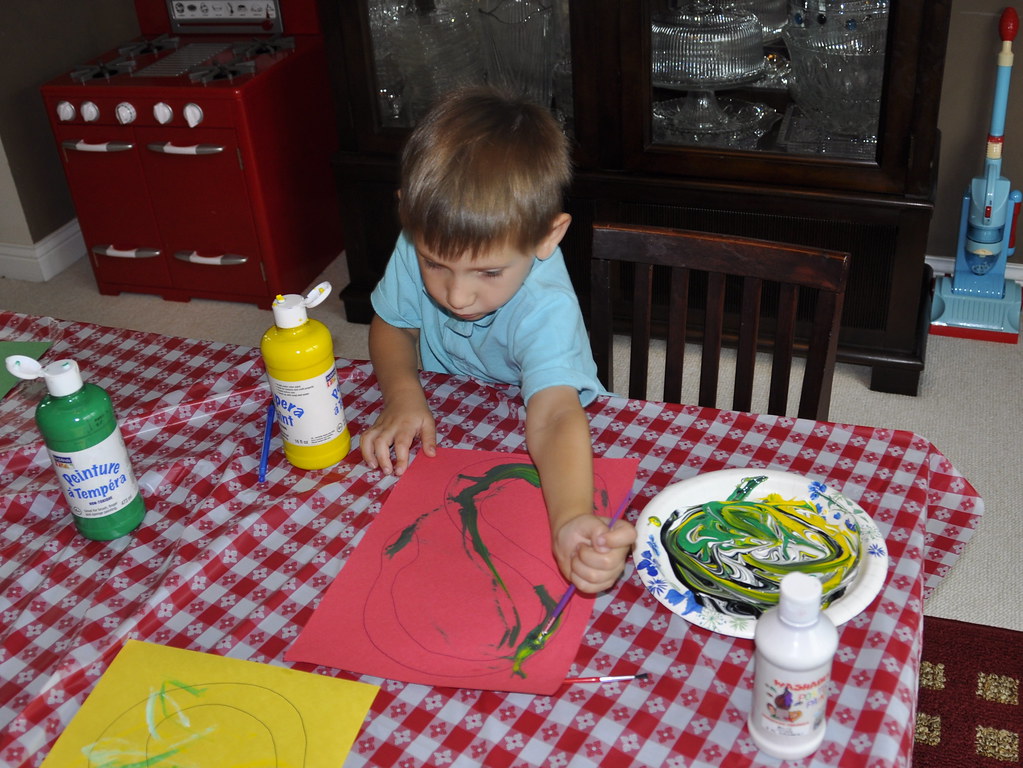
We decided to make our own paintings of birds just like John James Audubon did. The kids put their pictures in their nature notebooks and I put my own in my natural journal. (Yes, I like to do things right along side the children! I like to show them that learning is part of everyday life.)
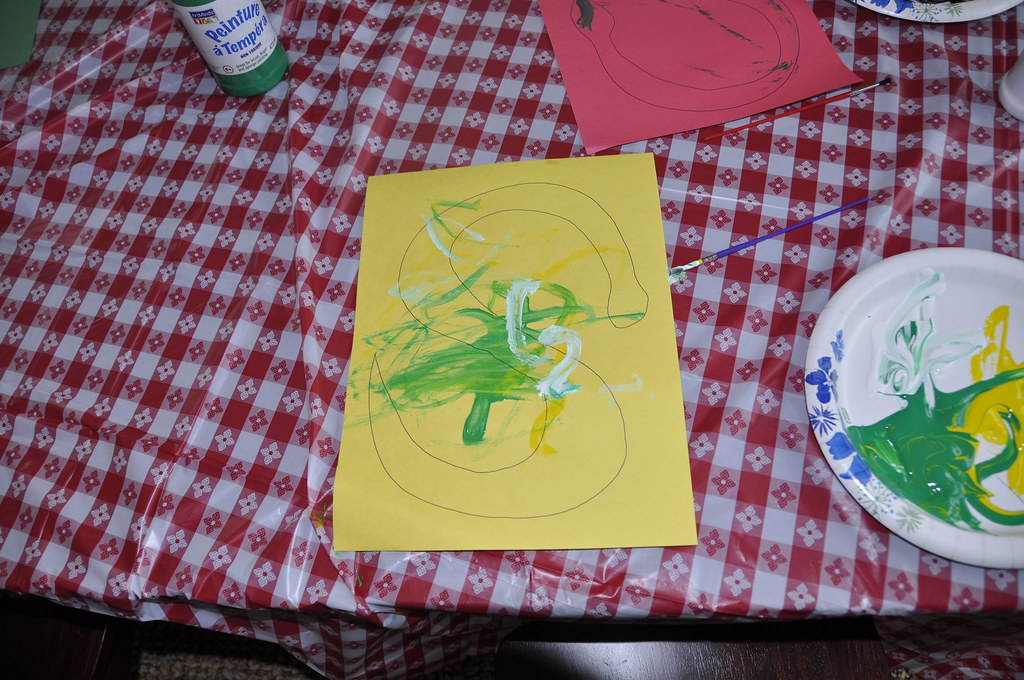
The kids were given the choice to paint any bird they were interested in. Marcus picked the great horned owl and Sophia picked the Snowy owl. I chose to paint the male cardinal.
The kids became so interested in Snowy Owls after looking at pictures of them that we later did an entire nature study of Snowy Owls. (I will save that for another post!)
Lapbooking and Notebook Pages:
If your children are the crafty type, they might also enjoy putting together a lapbook or a few pages for a notebook as a way of remembering what they learned.
Here are two great notebooking/lapbook sources-
- John James Audubon Notebooking Pages (Made specifically to go along with the book The Boy Who Drew Birds )
)
-Backyard Birds Lapbook
Well, thanks for reading!
Links to Become Attached to:
-Simply Charlotte Mason Picture Study Guide
-See John James Audubon's Birds of America online for free here
-Another guide to an artist study John James Audubon
-What my child is reading
- Pre-School Corner
- Tot School
Here are some resources that we used:
Audubon: Painter of Birds in the Wild Frontier
by Jennifer ArmstrongThis is a beautifully illustrated book which relates John James Audubon's adventures in the American frontier. This book really held the children's attention and I enjoyed reading it too! The Boy Who Drew Birds: A Story of John James Audubon by Jacqueline Davies
This book was another interesting read. It talked a bit about John James Audubon's life as a child and the method he used to discover for himself what exactly happened to birds in the winter. I found that this book really encouraged children to ask questions and look for their own answers. Into the Woods: John James Audubon Lives His Dream
by Robert BurleighThis book didn't make for as great of a read aloud as some of the others. However, I think it would make an excellent read aloud for older children. We did enjoy flipping through this book and reading some of the exerts of Audubon's own journal. Audubon's Birds of America by John James Audubon
Whenever possible, we like to try and reserve a large, over-sized book that shows work by the artist. Many of these works are available for viewing online. However, I personally like to look at art in a book rather than on the computer. Throughout the week we flipped through this book. I tried to show some birds that the kids knew and had them try to identify them. We looked at the red-winged black birds, the cardinal, the blue jay and some other common birds that the kids could identify. Preschool Artist Study Activities on John James Audubon:
We like to check out these books from the library and then spend as much as 6-8 weeks just casually reading and looking at them as time permits and the kids are interested. (I try to keep the books out in full view so that the kids can naturally see them and pick them up. To see pictures of how I "skew" our artists study books you can go here.)
Read-Alouds:
We read the more biographical books about John James Audubon throughout the day as the kids were interested. Why do I add in some many biographical books about the artists? Well, for me personally, I find that I can retain a lot more to an artist when I "know" his or her personal story. So I like to read books which describe the life of the artist to the children so they can look at his art in the context of the events of his life. It gives us a better appreciation for the art.
For example, we all know that Audubon loved birds and nature. But do we know why? He was a very popular child. He was known as the best fencer, the fastest runner, a handsome boy...so why did he like to escape into the woods so often to be with birds and animals? Well, we found out that as a young child, John James's father often took him on nature walks pointing out the beauty of the birds and their various habits. It was a very special time for him. Well, in 1803, his father obtained a false passport so that Audubon could go to the United States to avoid going to war. On his journey over, he became very ill with yellow fever and had to be nursed back to health. In the United States, we have to imagine that life was very lonely for him without his family and friends. So we have to imagine that escaping into nature was a way of coping for him in the United States.
The other thing we learned is that as a young man, Audubon used to cover his room with his artwork in an almost obsessive manner. And then, at the end of the year, he would set all of his artwork on fire because he didn't think it was good enough to keep. He hoped that some day he would have art work good enough to keep. If you look at John James Audubon's work, it isn't famous for its beauty per se. I personally don't look at any of his work and say, "That is the most beautiful painting of a cardinal I have ever seen." Because surely you can find other, "better" paintings of birds. But what makes Audubon's work special is the wonderful attention he put in to make the paintings amazingly technically accurate. He really conveys not only the shape and form of the birds, but their habits, coloring, and environment. The other thing that makes his work special is their completeness and the sheer massive body of his work. He literally risked his life to travel across America to watch and paint the American birds in their natural habitat. So even though he wasn't perhaps as naturally gifted as other artists, he worked hard for his art. We could relate to this in our own nature journals.
(To see our schedule and more about how we fit picture study into our day, you can go here.)
Activities:
We decided to make our own paintings of birds just like John James Audubon did. The kids put their pictures in their nature notebooks and I put my own in my natural journal. (Yes, I like to do things right along side the children! I like to show them that learning is part of everyday life.)
 |
| Marcus's Painting of a Great Horned Owl (4 yrs old) - I included a picture of what he was painting in case you couldn't tell. :) |
 |
| Sophia's Painting of a Snowy Owl (2 yrs old) |
 |
| Mommy's cardinal painting in my nature journal |
The kids were given the choice to paint any bird they were interested in. Marcus picked the great horned owl and Sophia picked the Snowy owl. I chose to paint the male cardinal.
The kids became so interested in Snowy Owls after looking at pictures of them that we later did an entire nature study of Snowy Owls. (I will save that for another post!)
Lapbooking and Notebook Pages:
If your children are the crafty type, they might also enjoy putting together a lapbook or a few pages for a notebook as a way of remembering what they learned.
Here are two great notebooking/lapbook sources-
- John James Audubon Notebooking Pages (Made specifically to go along with the book The Boy Who Drew Birds
)-Backyard Birds Lapbook
Well, thanks for reading!
Links to Become Attached to:
-Simply Charlotte Mason Picture Study Guide
-See John James Audubon's Birds of America online for free here
-Another guide to an artist study John James Audubon
-What my child is reading
- Pre-School Corner
- Tot School


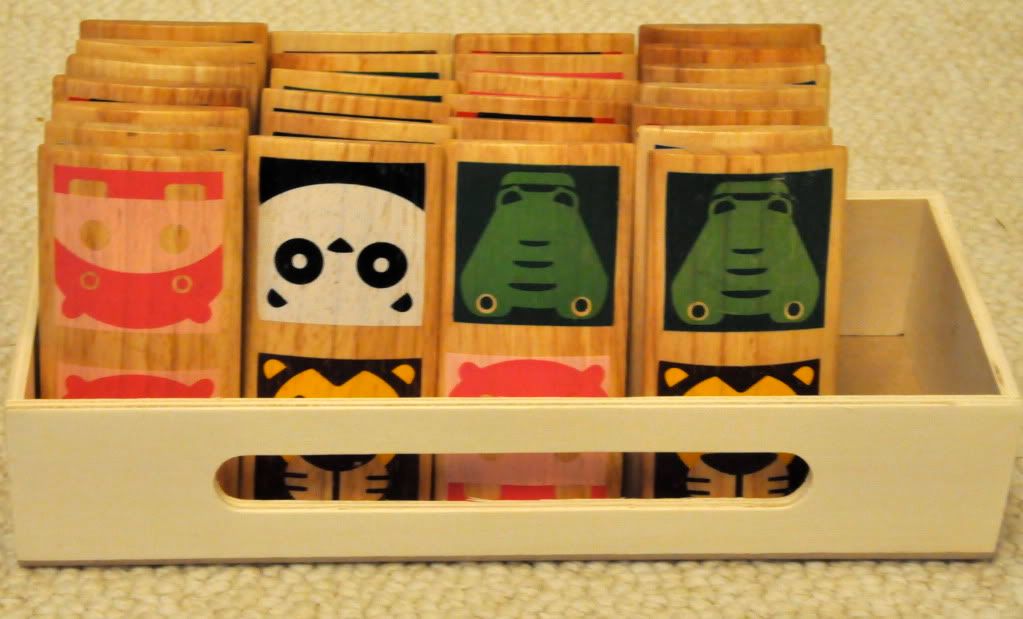
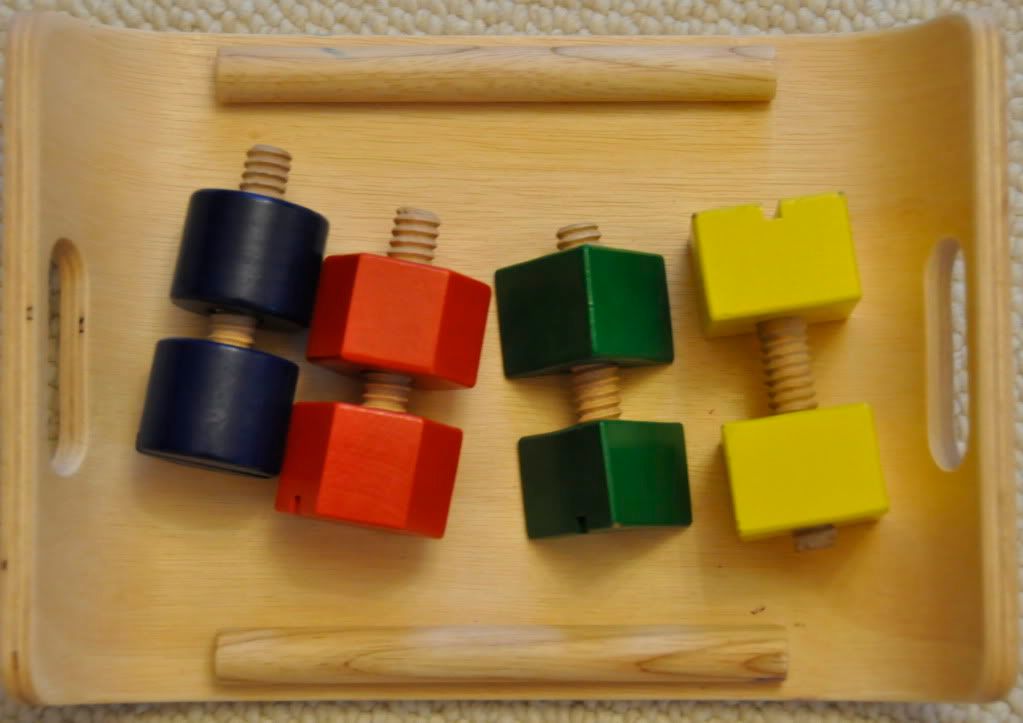



 is so expensive, so I was glad to finally find a decent homemade version.)
 . They each choose which pictures they wanted to build with the shapes. They were very proud of their creations so they each wanted me to take their picture why they laid by their work. :)

 by Tomi Ungerer.


 .
.