I thought that I had better update my curriculum thread and post some changes that we have made this year. Again, I apologize for the length of this post!
This year both kids are still in preschool. So I am calling this Marcus's P5 year and Sophie's P4 year. We are using Sonlight's P4/5 as our main curriculum, however I took out some of the books and added in some others. I have marked the sonlight books with an asterisk.
Bible: 5 X per week
The Jesus Storybook Bible
Family-Time Bible in Pictures *
Seeds Family Worship Music
Simply Charlotte Mason Memory System
I love, love, love Seeds Family Worship. I can't say enough good things about it. The CDs are made for kids--however, I enjoy them too. (I can't say that about most children's music!) We are learning approximately a new verse every week by singing the songs and dancing around to them. Best of all, you can listen to all of their music for free online here. Plus, you can even print out index cards and a progress checklist here. We use our memory index cards in a little filing box using the Simply Charlotte Mason Scripture Memory System. This helps us practice things we have already memorized so we don't forget.
Calendar Board: 5-7 X per week
Our Calendar Setup (Separate Post Coming Soon!)
Our Memory Work List (Separate Post Coming Soon!)
Our Song List (Separate Post Coming Soon!)
Please note: I PROMISE I will talk more about our calendar setup in a future post. I know I have made this promise before! (Yikes!) But this time I am REALLY going to make an effort to get some pictures taken and uploaded. I will also talk a bit more about our "Grammar Stage" memory work and give you some ideas on how to implement that in your own home if you are interested.
Reading: 3-5 X per week
All About Reading Pre-Level 1 (Starting on the Lesson 27 until finished)
Update on April 20, 2012: After using the Explode the Code books for only a short period of time, we decided to put them away until the kids are older. My son does not enjoy workbooks at all. These workbooks were especially difficult for him because of all of the writing they require. We found that the AAR Pre-Level 1 program was more than enough for him. It was very fun and his favorite part of school.
Handwriting: 3-5 Xs per week
Scholastic's Pre-Writing Practice Pages
From time to time we will do a page from Scholastic's Pre-Writing Practice Pages ebook. When we are not doing that, we also practice some pre-writing activities given to us by Marcus's occupational therapist. Our "Explode the Code" workbooks also have some writing practice. So using this variety of materials, we try to practice our "grip" and control of writing instruments everyday.
Update on April 20, 2012: About halfway through the year, we put away the pre-writing exercises and repeated Handwriting Without Tears Pre-K with Marcus and Sophie. They are doing great! I find this program easy to teach and VERY effective.
Math: 3-5 X per week (Marcus and Sophie working at their own pace separately)
Right Start Level A
Mathtacular 1 DVDMath Game- 1 X per week using:
Family Math for Young Children
The Math activities in What your Kindergartner Needs to Know
Science: 2 Xs per week
Elemental Science Early Years Curriculum (1 experiment per week, 1 separate nature study)
Science Play (This is the main "spine" of the Elemental Science Early Years Curriculum )
Science Notebooks
Our Elemental Science Living Book List (Separate Post Coming Soon!)
The Berenstain Bears' Big Book of Science and Nature *
The Year at Maple Hill Farm *
What's Under the Sea *
Is a Blue Whale the Biggest Thing There is? *
How Do You Lift a Lion? *
What's Smaller Than a Pygmy Shrew? *
How to Dig a Hole to the Other Side of the World *
Why Do Tigers Have Stripes *
Update on April 20, 2012: We found that Elemental Science did not work for us at all. So we stopped using it early in the year. My son LOVES science so I really just try to encourage him in this area by giving him the tools he needs to explore and investigate the world around him. We found the science books in Sonlight's P4/5 to be fantastic.
Storybook Science Nature Study Class- (2Xs per month)
We participate in a local science class for preschoolers called Storybook Science. This class takes place every other Thursday. The classes are fabulous. A naturalist from one of our local parks leads the class. She usually reads the children a picture book that talks about something from nature. Then, we play a game where the children learn about the topic discussed in the picture book. Finally, the naturalist takes us outdoors on a nature walk to look for something in nature that relates to our topic. I am learning just as much as the children on these walks.
Language Arts "Read Alouds": 1 X per week
First Thousand Words * We use First Thousands words as a way to build our vocabulary by playing a fun "I Spy" game with the words on the margins of the pictures. I say the word and the children have to find it in the main picture. We also use the word list at the back of the book to have the kids search the picture for an object that begins with a certain letter sound.
Social Studies: 1 X per week
People *
Then and Now *
Things People Do *
What do People Do All Day (A Sonlight P3/4 book that we haven't finished yet.)
French
Play and Learn French by Ana Lomba and Marcela Summerville
Le Petit Chaperon Rouge (Easy French Storybook + CD)
Boucle D'or et les Tois Ours (Easy French Storybook + CD)
1000 First Words in French
Muzzy (French)
Professor Toto (French)
Art Appreciation Reading and Discussion: 1 X per week
A Child's Book of Art *
The Usborne Book of Famous Paintings
13 Paintings Children Should Know
13 Artist Children Should Know
Field trips to our local art museums
We typically go through just a page per day of one of these books. I find a couple of pictures and we simply talk about them. I try to ask leading questions and see what the children can observe from the paintings. (For example: "Does this painting look like it was painted recently or a long time ago?" "What is the first thing that you see when you look at this painting?" "Does it look like those horses are standing still or moving? How can you tell?" etc etc.) I am focusing less on knowing the names of the paintings or artists and more on just enjoying and appreciating the art.
Art: 1 X per week
Artistic Pursuits "The Way They See It"
Storybook Art by MaryAnn Kohl
Discovering Great Artists by MaryAnn Kohl
We are currently using the Artistic Pursuits program designed for preschool aged kids. Although I am ONLY using it because I already spent the money on it. I do not recommend you purchase it. To be honest with you, I think you would be much better off spending your money on one of the various MaryAnn Kohl art books for children. Artistic Pursuits has some wonderful art books for older children, however I don't really like her preschool art book. The author talks a lot about how a preschooler's art should focus more on the process rather than the product...but most of her projects seem to be very product oriented IMO. I also think that the fonts she uses are overly decorative and hard to read. Which for some reason annoys me. Overall, I think the book is way overpriced for what you get.
We are going to make the best of it, however, and use what we can from the book. Then I am going to move on to Storybook Art and Great Artists by MaryAnn Kohl. And we will do some select projects from both of those books. Those books are much more affordable and much more fun for kids. I would recommend that parents supplement those books with full color pictures of the art work that she references. You can't appreciate the art very well from a tiny black and white picture.
Music:
Singing and finger plays together once per day
Themes to Remember (Listen to informally.)
What your Kindergartner Needs to Know Music Activities (Once a Month)
Literature (What I call our "Read Alouds"):
First Chapter Books
Uncle Wiggily's Storybook by Howard R. Garis *
Jenny and the Cat Club by Esther Averill
Jenny's Moonlit Adventure by Esther Averill
The Hotel Cat by Esther Averill
Captains of the City Streets by Esther Averill
The School for Cats by Esther Averill
The Hotel Cat by Esther Averill
Jenny Goes to Sea by Esther Averill
The Classic Tales of Brer Rabbit by Don Daily (from stories collected by Joel Chandler Harris) *
Teddy Robinson Stories by Joan G. Robinson
Necklace of Raindrops by Joan Aiken
The Milly-Molly-Mandy Storybook by Joyce Lankester Brisley *
Peter Rabbit's Giant Storybook by Beatrix Potter
The Children's Book of Virtues edited by William J. Bennet *
Rabbit Hill by Robert Lawson
The Tough Winter by Robert Lawson
Paddington Bear by Michael Bond (We may add the sequels if the children enjoy this book.)
Raggedy Ann and Andy book by Johnny Gruelle
Usborne Stories of Knights and Castles by Anna Milbourne
Aesop's Fables illustrated by Jerry Pinkney
Adventures of Chatterer the Red Squirrel by Thorton Burgess
Adventures of Peter Cottontail by Thorton Burgess
Adventures of Danny the Meadow Mouse by Thorton Burgess
The Adventures of Reddy Fox by Thorton Burgess
The Adventures of Buster Bear by Thorton Burgess
The Adventures of Grandfather Frog by Thorton Burgess
(Thorton Burgess Box Set has all 6 titles)
A Child's Introduction to Greek Mythology
The Giraffe and the Pelly and Me by Roald Dahl
Picture Books:
Simply Charlotte Mason Early Years Reading List
Peak with Books Book List (Reading the books only. Not doing the whole program)
FIAR Picture Book List (Again, just reading the books only. Not doing the whole program)
Various Holiday Books (separate post coming soon!)
Poetry:
The Mother Goose Treasury (Any nicely illustrated version will do!)
When we were very young by A.A. Milne
Animal Poems Illustrated by Meg Rutherford, Compiled by Polly Richardson
Here's a Little Poem: A very first book of poetry, collected by Jane Yolen, Illustrated by Polly Dunbar
Poetry for Young People series (Animal Poems is a good one to start with...but my children love animals so perhaps we are biased.)
Robert Louis Stenson's A Child's Garden of Verses (any nicely illustrated version will do!) I like the one illustrated by Alice & Martin Provensen although it doesn't contain all of the poems. Another one I like is the illustrated version by Tasha Tudor which is a more complete version.)
Don't Bump the Glump and Other Fantasies by Shel Silverstein
Read Aloud Treasury of Read-Aloud Poems for Young People
Jim Weiss's Audio Storybooks
World Cultures / Geography:
Usborne Stories from Around the World *
The Lion Storyteller Bedtime Book *
Around the World in 80 Tales
Stories from Africa *
The Gods Must be Angry *
New Toes for Tia *
A Child's Introduction to the World
Some FIAR books (Many FIAR books are great introduction to other cultures and geographic locations!)
We are doing a continent study where we read about and study each of the 7 major continents. To supplement this study, I read to the children from stories set in the various locations we are studying. This is just a gentle introduction to the world and to different cultures. In a separate post (this one is long enough!) I will share how I organized this study.
Field Trips and Clubs:
Update on April 20, 2012: About halfway through the year, we put away the pre-writing exercises and repeated Handwriting Without Tears Pre-K with Marcus and Sophie. They are doing great! I find this program easy to teach and VERY effective.
Math: 3-5 X per week (Marcus and Sophie working at their own pace separately)
Right Start Level A
Mathtacular 1 DVDMath Game- 1 X per week using:
Family Math for Young Children
The Math activities in What your Kindergartner Needs to Know
Science: 2 Xs per week
The Year at Maple Hill Farm *
What's Under the Sea *
Is a Blue Whale the Biggest Thing There is? *
How Do You Lift a Lion? *
What's Smaller Than a Pygmy Shrew? *
How to Dig a Hole to the Other Side of the World *
Why Do Tigers Have Stripes *
Update on April 20, 2012: We found that Elemental Science did not work for us at all. So we stopped using it early in the year. My son LOVES science so I really just try to encourage him in this area by giving him the tools he needs to explore and investigate the world around him. We found the science books in Sonlight's P4/5 to be fantastic.
Storybook Science Nature Study Class- (2Xs per month)
We participate in a local science class for preschoolers called Storybook Science. This class takes place every other Thursday. The classes are fabulous. A naturalist from one of our local parks leads the class. She usually reads the children a picture book that talks about something from nature. Then, we play a game where the children learn about the topic discussed in the picture book. Finally, the naturalist takes us outdoors on a nature walk to look for something in nature that relates to our topic. I am learning just as much as the children on these walks.
Language Arts "Read Alouds": 1 X per week
First Thousand Words * We use First Thousands words as a way to build our vocabulary by playing a fun "I Spy" game with the words on the margins of the pictures. I say the word and the children have to find it in the main picture. We also use the word list at the back of the book to have the kids search the picture for an object that begins with a certain letter sound.
Social Studies: 1 X per week
People *
Then and Now *
Things People Do *
What do People Do All Day (A Sonlight P3/4 book that we haven't finished yet.)
French
Play and Learn French by Ana Lomba and Marcela Summerville
Le Petit Chaperon Rouge (Easy French Storybook + CD)
Boucle D'or et les Tois Ours (Easy French Storybook + CD)
1000 First Words in French
Muzzy (French)
Professor Toto (French)
Art Appreciation Reading and Discussion: 1 X per week
A Child's Book of Art *
Field trips to our local art museums
We typically go through just a page per day of one of these books. I find a couple of pictures and we simply talk about them. I try to ask leading questions and see what the children can observe from the paintings. (For example: "Does this painting look like it was painted recently or a long time ago?" "What is the first thing that you see when you look at this painting?" "Does it look like those horses are standing still or moving? How can you tell?" etc etc.) I am focusing less on knowing the names of the paintings or artists and more on just enjoying and appreciating the art.
Art: 1 X per week
Artistic Pursuits "The Way They See It"
Storybook Art by MaryAnn Kohl
Discovering Great Artists by MaryAnn Kohl
We are currently using the Artistic Pursuits program designed for preschool aged kids. Although I am ONLY using it because I already spent the money on it. I do not recommend you purchase it. To be honest with you, I think you would be much better off spending your money on one of the various MaryAnn Kohl art books for children. Artistic Pursuits has some wonderful art books for older children, however I don't really like her preschool art book. The author talks a lot about how a preschooler's art should focus more on the process rather than the product...but most of her projects seem to be very product oriented IMO. I also think that the fonts she uses are overly decorative and hard to read. Which for some reason annoys me. Overall, I think the book is way overpriced for what you get.
We are going to make the best of it, however, and use what we can from the book. Then I am going to move on to Storybook Art and Great Artists by MaryAnn Kohl. And we will do some select projects from both of those books. Those books are much more affordable and much more fun for kids. I would recommend that parents supplement those books with full color pictures of the art work that she references. You can't appreciate the art very well from a tiny black and white picture.
Music:
Singing and finger plays together once per day
Themes to Remember (Listen to informally.)
What your Kindergartner Needs to Know Music Activities (Once a Month)
Literature (What I call our "Read Alouds"):
First Chapter Books
Uncle Wiggily's Storybook by Howard R. Garis *
Jenny and the Cat Club by Esther Averill
Jenny's Moonlit Adventure by Esther Averill
The Hotel Cat by Esther Averill
Captains of the City Streets by Esther Averill
The School for Cats by Esther Averill
The Hotel Cat by Esther Averill
Jenny Goes to Sea by Esther Averill
The Classic Tales of Brer Rabbit by Don Daily (from stories collected by Joel Chandler Harris) *
Teddy Robinson Stories by Joan G. Robinson
Necklace of Raindrops by Joan Aiken
The Milly-Molly-Mandy Storybook by Joyce Lankester Brisley *
Peter Rabbit's Giant Storybook by Beatrix Potter
The Children's Book of Virtues edited by William J. Bennet *
Rabbit Hill by Robert Lawson
The Tough Winter by Robert Lawson
Paddington Bear by Michael Bond (We may add the sequels if the children enjoy this book.)
Raggedy Ann and Andy book by Johnny Gruelle
Usborne Stories of Knights and Castles by Anna Milbourne
Aesop's Fables illustrated by Jerry Pinkney
Adventures of Chatterer the Red Squirrel by Thorton Burgess
Adventures of Peter Cottontail by Thorton Burgess
Adventures of Danny the Meadow Mouse by Thorton Burgess
The Adventures of Reddy Fox by Thorton Burgess
The Adventures of Buster Bear by Thorton Burgess
The Adventures of Grandfather Frog by Thorton Burgess
(Thorton Burgess Box Set has all 6 titles)
A Child's Introduction to Greek Mythology
The Giraffe and the Pelly and Me by Roald Dahl
Picture Books:
Simply Charlotte Mason Early Years Reading List
Peak with Books Book List (Reading the books only. Not doing the whole program)
FIAR Picture Book List (Again, just reading the books only. Not doing the whole program)
Various Holiday Books (separate post coming soon!)
Poetry:
The Mother Goose Treasury (Any nicely illustrated version will do!)
When we were very young by A.A. Milne
Animal Poems Illustrated by Meg Rutherford, Compiled by Polly Richardson
Here's a Little Poem: A very first book of poetry, collected by Jane Yolen, Illustrated by Polly Dunbar
Poetry for Young People series (Animal Poems is a good one to start with...but my children love animals so perhaps we are biased.)
Robert Louis Stenson's A Child's Garden of Verses (any nicely illustrated version will do!) I like the one illustrated by Alice & Martin Provensen although it doesn't contain all of the poems. Another one I like is the illustrated version by Tasha Tudor which is a more complete version.)
Don't Bump the Glump and Other Fantasies by Shel Silverstein
Read Aloud Treasury of Read-Aloud Poems for Young People
Jim Weiss's Audio Storybooks
World Cultures / Geography:
Usborne Stories from Around the World *
The Lion Storyteller Bedtime Book *
Around the World in 80 Tales
Stories from Africa *
The Gods Must be Angry *
New Toes for Tia *
A Child's Introduction to the World
Some FIAR books (Many FIAR books are great introduction to other cultures and geographic locations!)
We are doing a continent study where we read about and study each of the 7 major continents. To supplement this study, I read to the children from stories set in the various locations we are studying. This is just a gentle introduction to the world and to different cultures. In a separate post (this one is long enough!) I will share how I organized this study.
Field Trips and Clubs:
- ECHO Group- Social and Educational Field Trips approx 1-4 times per week. (Tour of police station, tour of bakery, play date at the park, trip to the art museum, etc. etc.)
- Kids Book Club (1 X per month)
- Fun Fridays with Friends Kids Club (1 X per week)
- Taekwondo (2 X per week)
- Gymnastics (1 X per week)
- Homeschool Co-Op- (1 X per week) The kids take a world cultures class and a preschool story book art class.
* A Sonlight P4/5 book

 by Robert McCloskey. The winner was chosen at random using the random number generator at

 . The program is called "Five in a Row" because a single book is read five days in a row. (This is called "rowing" a book.) Each day a different subject is covered which pertains to something discussed in the book. (Note: You can see what a typical week of FIAR looks like for us
  ). Non-picture books force the child to imagine the story for themselves (picturing how the setting and characters might look or sound like). They also help build attention span.
  tales included in Sonlight P4/P5. Sonlight includes this in their core because they feel that these are classic tales which have a unique historical and cultural importance. However, I have heard some people complain about these stories because in the stories Brer rabbit lies and cheats and generally gets away with it. Although the stories are lighthearted and funny, their are some parents who don't even like to expose their chidlren to character traits like that at this age. (Espeically when cheating seems to get the character ahead in life!) It is Sonlight's opinion that parents need to talk with their children about right vs. wrong while reading the books. And that books alone can't teach character lessons. In fact, most of Sonlights curriculum is centered around the conversation that is supposed to happen naturally as you read these books. However, if you feel like stories like this are not something you want to bring in your home, you probably aren't going to like Sonlight in general. Another example would be Sonlight P3/P4 core are classic fairly tales. In sonlight's opinion, these fairy tales and nursery tales are an important part of our handed down traditions in literature. Sonlight feels that it is important that children be familiar with some of these stories since they are referred to so often in our culture. On the other hand, some parents don't like fairy tales because of some of the topics that come up. (For example in Hansel and Gretel, their step mother tries to get rid of the children by leading them off into the woods alone!) As far as this issue is concerned, there is no right or wrong answer here. I just bring this up so that you are aware of some criticism that Sonlight has received and you can decide what is right for YOUR family. I also brought up some of the more controversial stories in both the preschool cores so that you might be able to check them out from the library and see if you have a problem with them. The majority of the people I have talked to love Sonlight. However, some have complained because they don't like some of the books sonlight chooses based on character issues. You have to decide how you feel about this.
 the topic of slavery is brought up which wasn't something I would have planned to talking to my 3 and 4 year old about. However, I think that all of the books are written with taste and sensitivity and in a way that even young children can understand.
 ) and I was seriously crying my eyes out at the end of it! Over a picture book! So they are truly great books and touch on a lot of important subjects that I never would have thought to bring up on my own. Plus, we have been doing a lot of neat things.



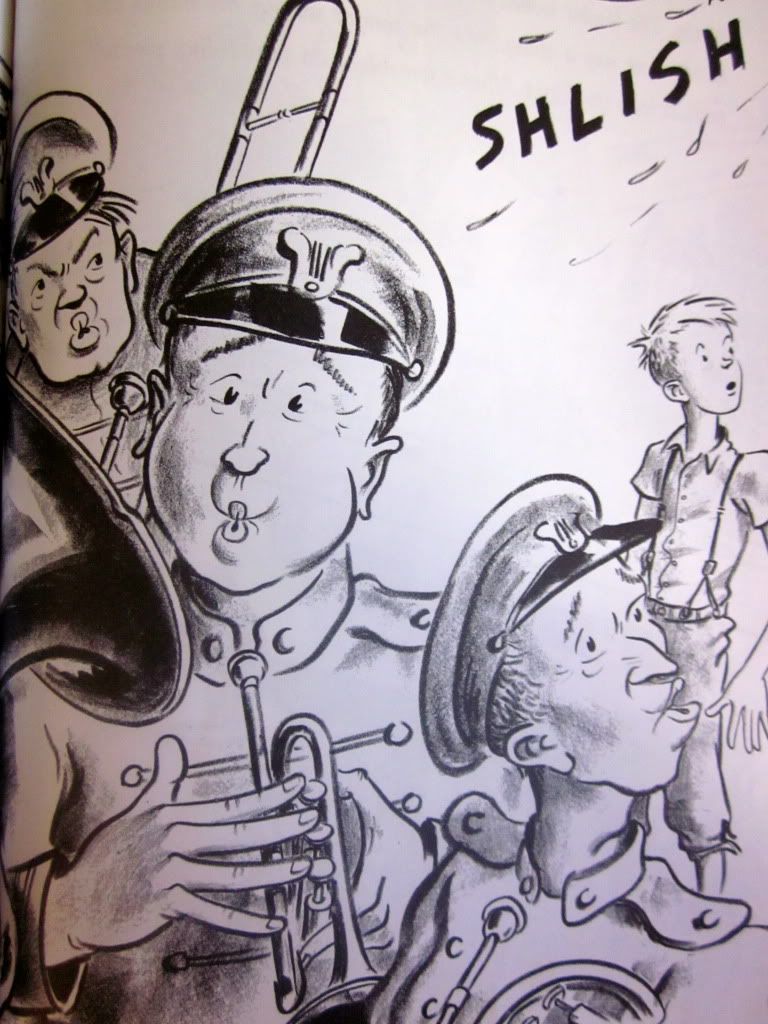
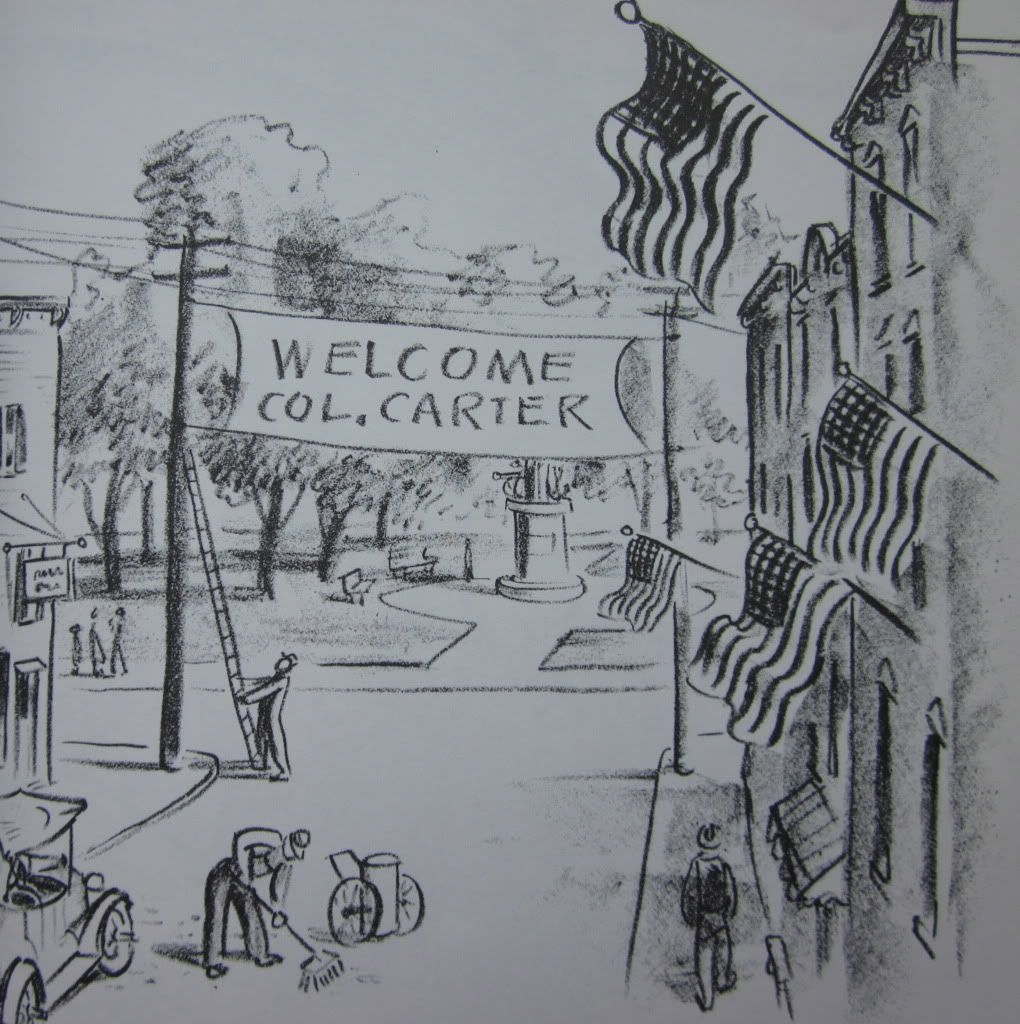



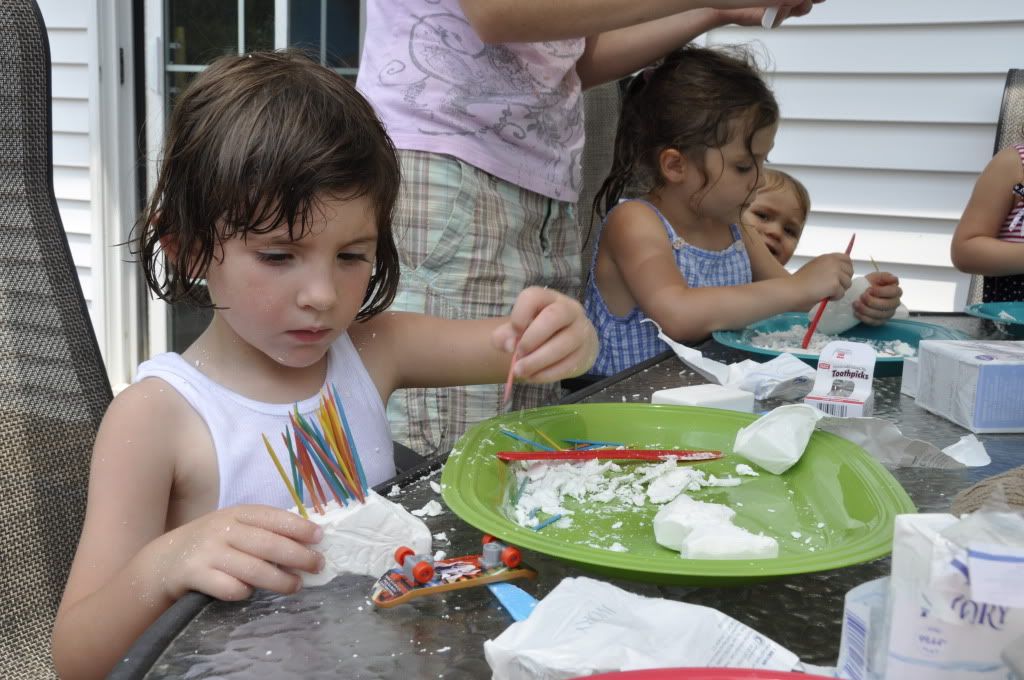
 and some
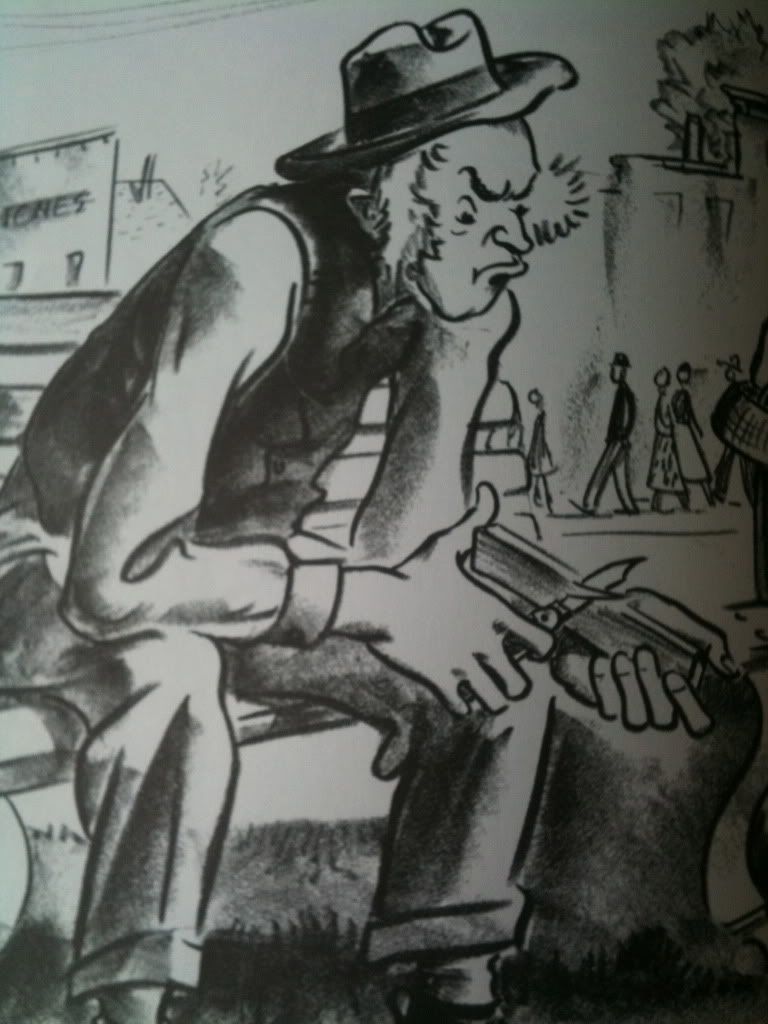
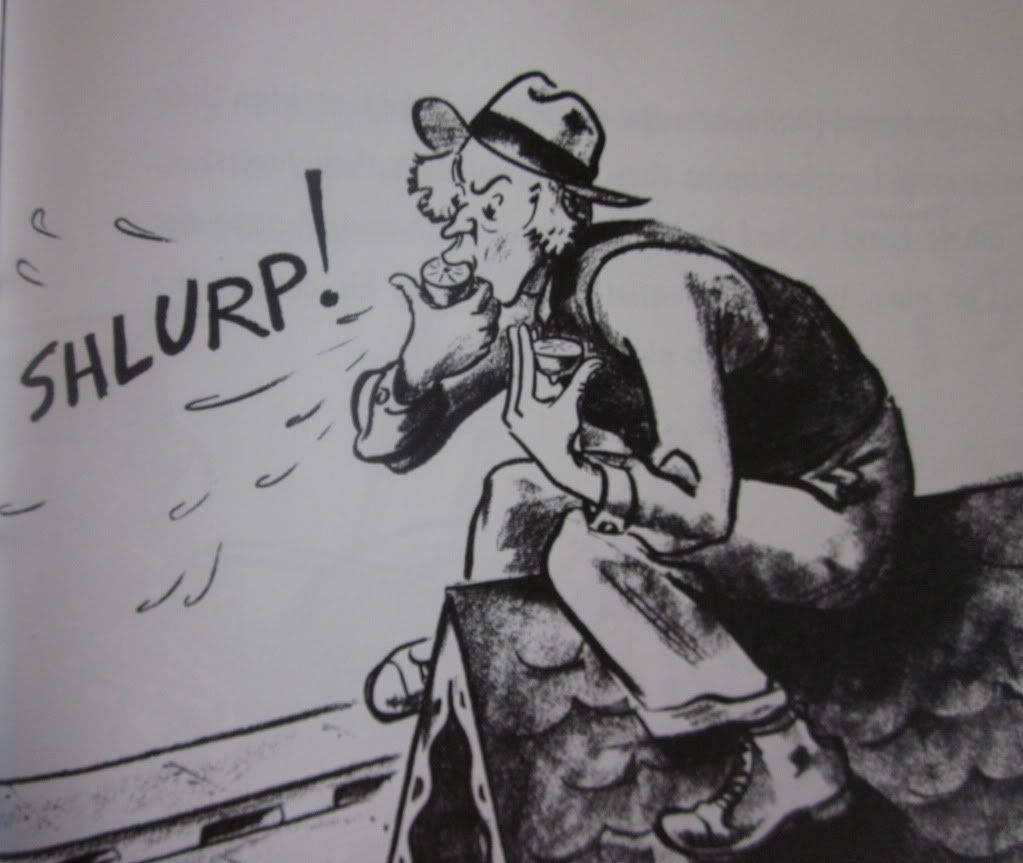
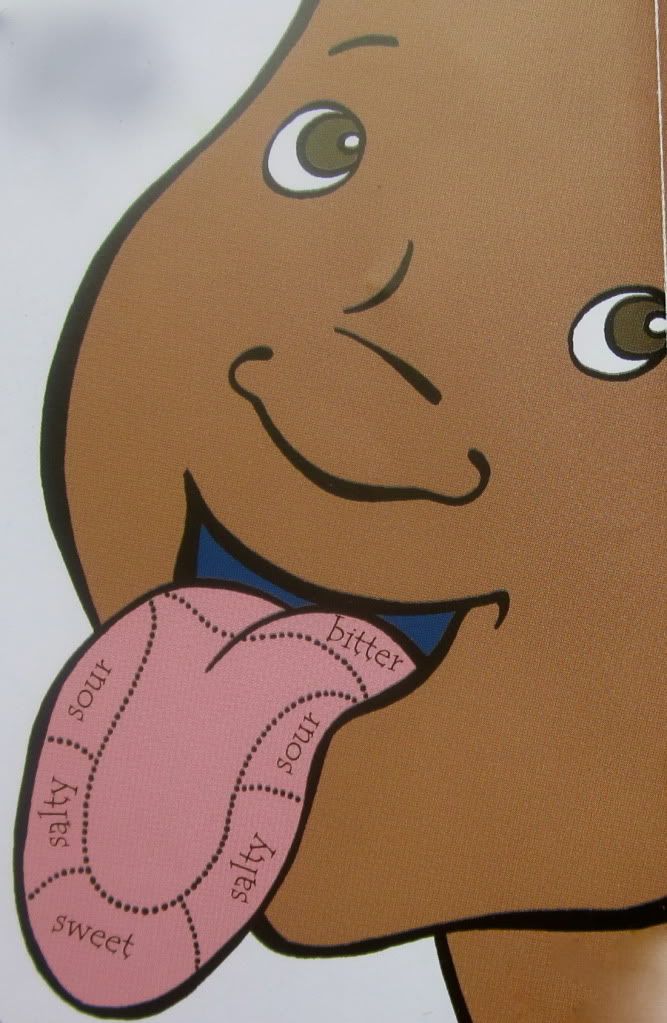
 . This is one of the science books in our